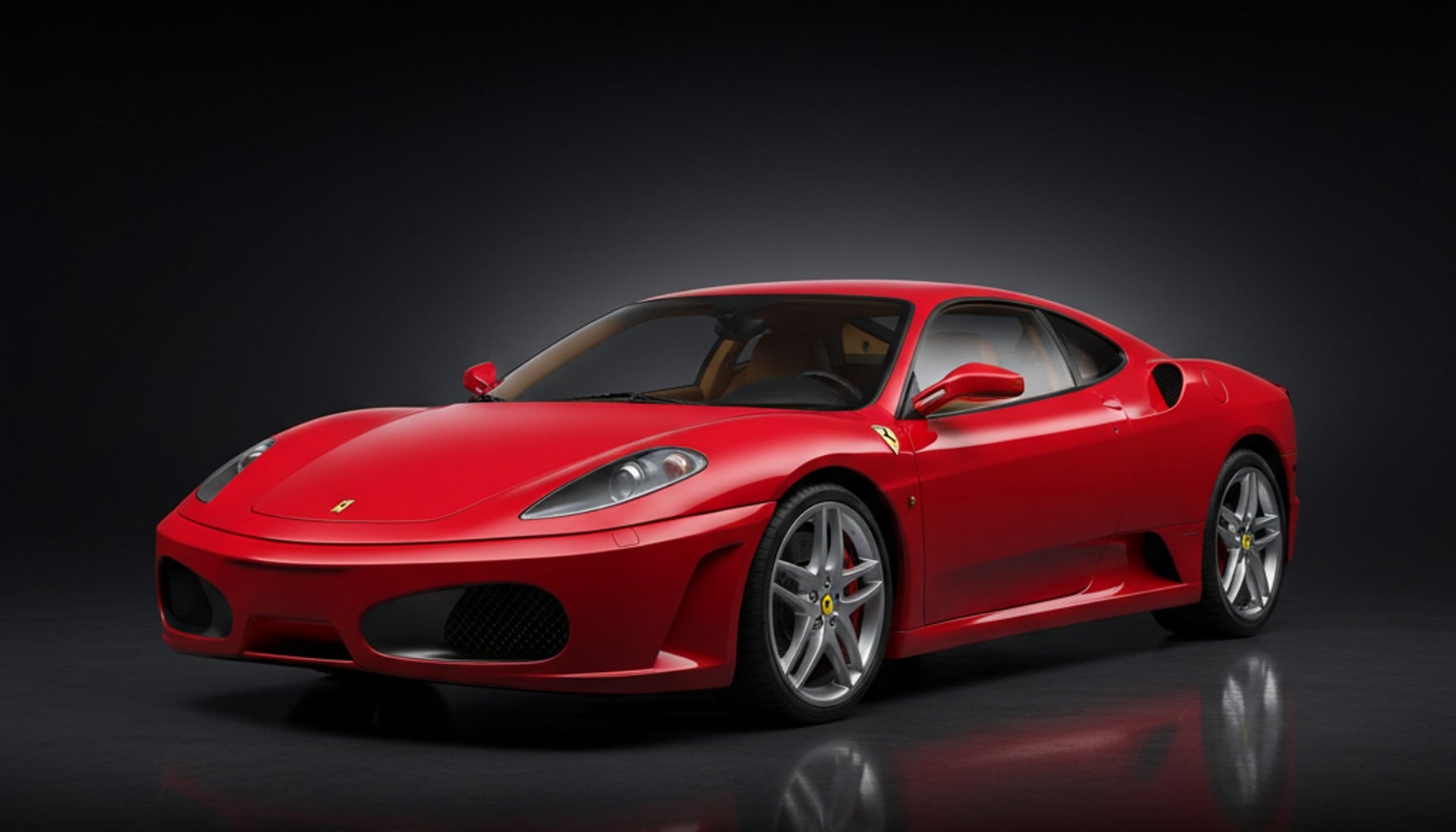


What is the Ferrari F430?
A mid-engine V8 masterpiece with Formula 1-derived technology.
Complete Technical Specifications
Comprehensive performance data and technical details for the Ferrari F430
Engine
Dimensions
Production
Performance
Transmission
Ferrari Floor Mat Best Practices
Safety and quality guidelines for your Ferrari floor mats
Good Practices
5 Essential Tips- Use OEM-fit mats: Specifically designed for your Ferrari model to prevent pedal interference.
- Secure with clips: Always use factory retention clips to prevent mat sliding.
- Choose quality materials: Opt for premium leather or high-grade materials that match your interior.
- Regular maintenance: Clean with appropriate products to preserve luxury appearance.
- Check fitment regularly: Ensure mats remain properly positioned after driving.
Common Mistakes
5 Things to Avoid- Never use universal mats: Generic mats can interfere with pedals and compromise safety.
- Don't stack mats: Layering mats is extremely dangerous and can jam pedals.
- Avoid cheap materials: Low-quality mats damage carpet and look out of place in a Ferrari.
- Don't skip installation: Improperly installed mats that slide are a serious safety hazard.
- Ignore wear signs: Replace mats when they show excessive wear or damage.
Frequently Asked Questions
Everything you need to know about this Ferrari model
The Ferrari F430 is powered by a 4.3-liter naturally aspirated V8 engine. This engine produces 483 horsepower and 343 lb-ft of torque. It was a significant departure from previous Ferrari V8 designs, featuring a flat-plane crankshaft for improved performance.
The Ferrari F430 has a top speed of approximately 196 mph (315 km/h). It can accelerate from 0 to 60 mph in around 4.0 seconds, making it a very quick and exhilarating sports car to drive. This performance is due to its powerful engine and lightweight design.
The price of a used Ferrari F430 varies widely depending on condition, mileage, and options. Generally, you can expect to find them ranging from around $100,000 to over $200,000. Prices tend to rise for well-maintained examples with low mileage or desirable features like the manual gearbox.
The F430 is a significant upgrade over the 360 Modena, boasting a new and more powerful engine. The F430 also features updated styling, an improved interior, and advanced technology like the "manettino" driving mode selector, offering a more refined and engaging driving experience.
The F430 strikes a sweet spot between modern performance and classic Ferrari charm. Its powerful engine, distinctive styling, and relatively accessible price point compared to newer models make it a highly desirable car. It is also considered the last "analog" V8 Ferrari before the introduction of turbocharging.
Owning an F430 involves significant running costs, including maintenance, insurance, and fuel. Expect to pay for regular services, which can be expensive due to specialized parts and labor. Insurance premiums are also high for a high-performance sports car, and fuel economy is relatively poor.
The Ferrari F430 has shown signs of appreciation in value over the years, especially for desirable configurations like the gated manual. While not guaranteed, well-maintained examples, especially those with low mileage and specific options, could potentially increase in value over time.
The F430 Scuderia is a lighter, faster, and more track-focused version of the standard F430. It features increased power, reduced weight, and improved aerodynamics. It delivers a more raw and intense driving experience, designed for performance above all else.
Yes, the Ferrari F430 was offered with a 6-speed gated manual transmission. This option is highly sought after by enthusiasts, as it provides a more engaging driving experience compared to the F1 automated manual transmission. Cars with the manual fetch a premium on the used market.
While the exact production numbers are difficult to pinpoint, it's estimated that around 17,000 Ferrari F430s were produced between 2004 and 2009. The Scuderia and Spider versions had significantly lower production numbers, making them more rare and valuable.
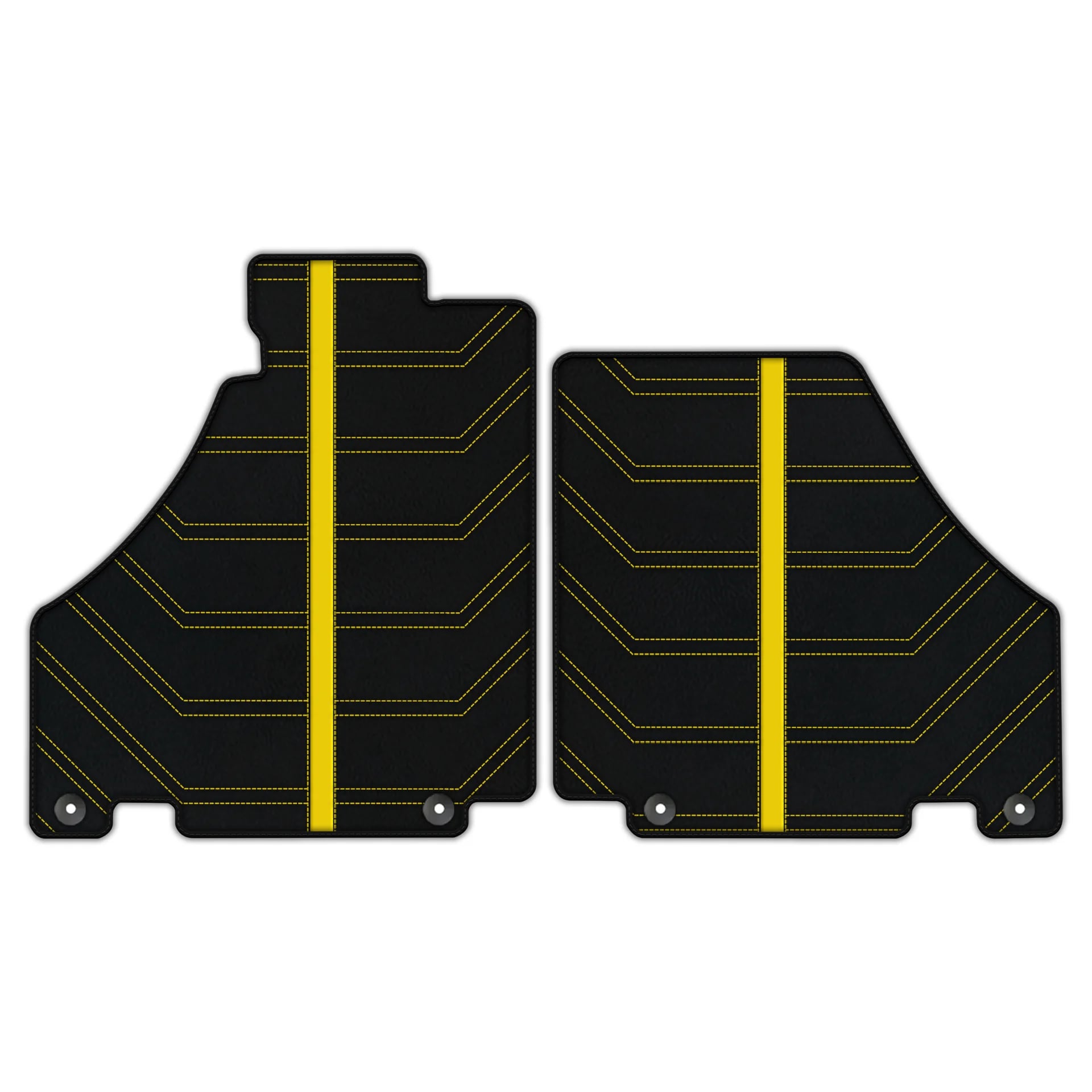
For your F430, consider getting custom-fit floor mats designed specifically for the car's dimensions. Options include rubber mats for practicality or carpet mats for a more luxurious feel. Look for high-quality materials to protect the interior and maintain its appearance.
Common issues on the F430 can include clutch wear (particularly on F1 models), sticky interior trim, and potential issues with the exhaust manifolds. Regular maintenance and inspection by a qualified Ferrari technician are essential to minimize these problems.
The "Manettino" is a driving mode selector on the steering wheel. It allows the driver to adjust the car's settings for different driving conditions. Modes include Ice, Wet, Sport, Race, and CST Off, modifying traction control, stability control, and suspension settings.
The Ferrari F430 Spider is the convertible version of the F430 Coupe. It features a retractable soft top, offering open-air driving. The Spider retains similar performance characteristics to the Coupe, but with a slightly different weight distribution due to the roof mechanism.
Ferrari stopped production of the F430 in 2009. It was replaced by the Ferrari 458 Italia, which featured a new engine and styling. The F430 is now considered a classic and sought-after model in Ferrari's history.