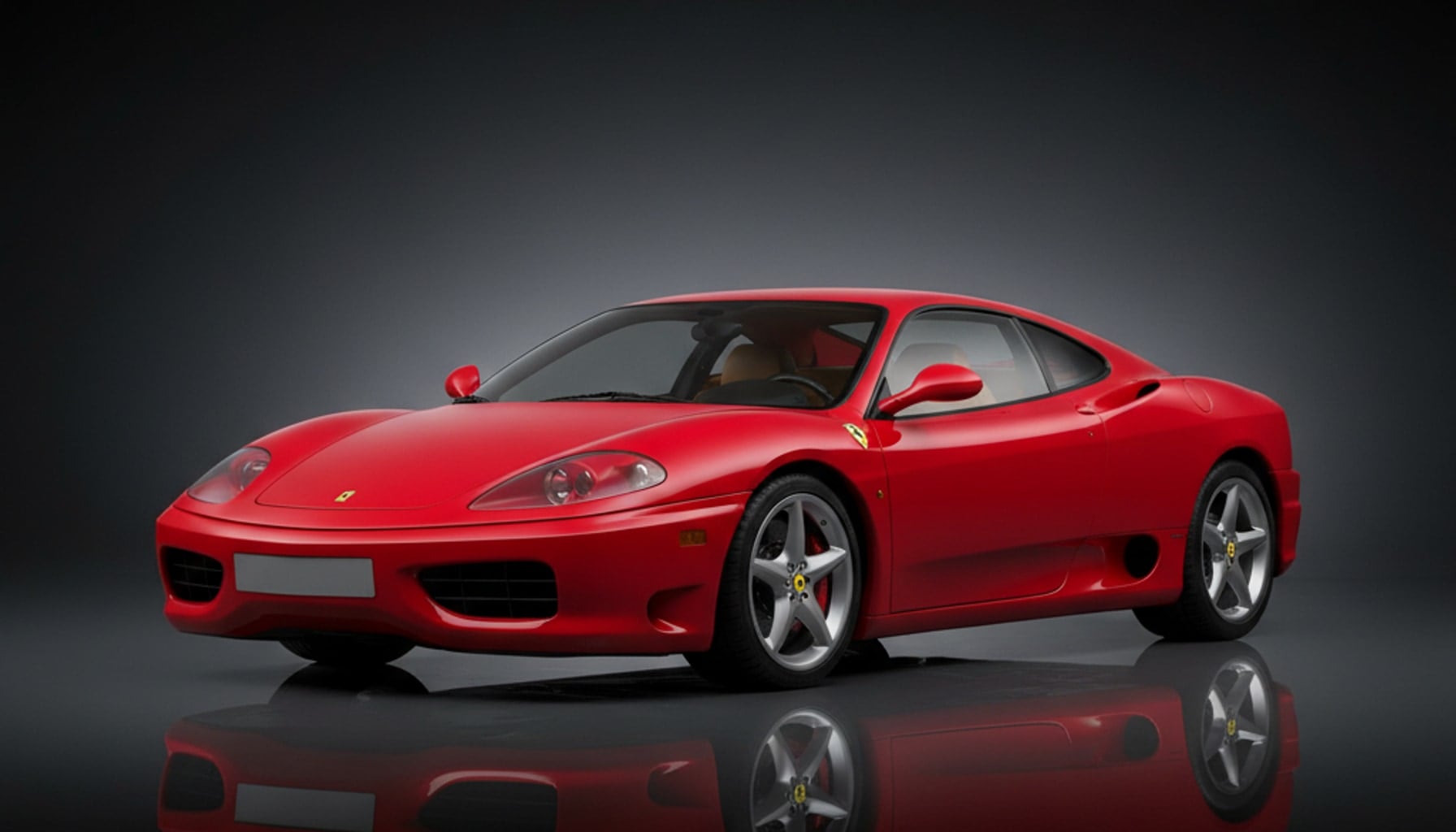


What is the Ferrari 360?
A stunning mid-engine sports car that redefined Ferrari design.
Complete Technical Specifications
Comprehensive performance data and technical details for the Ferrari 360
Engine
Dimensions
Production
Performance
Transmission
Ferrari Floor Mat Best Practices
Safety and quality guidelines for your Ferrari floor mats
Good Practices
5 Essential Tips- Use OEM-fit mats: Specifically designed for your Ferrari model to prevent pedal interference.
- Secure with clips: Always use factory retention clips to prevent mat sliding.
- Choose quality materials: Opt for premium leather or high-grade materials that match your interior.
- Regular maintenance: Clean with appropriate products to preserve luxury appearance.
- Check fitment regularly: Ensure mats remain properly positioned after driving.
Common Mistakes
5 Things to Avoid- Never use universal mats: Generic mats can interfere with pedals and compromise safety.
- Don't stack mats: Layering mats is extremely dangerous and can jam pedals.
- Avoid cheap materials: Low-quality mats damage carpet and look out of place in a Ferrari.
- Don't skip installation: Improperly installed mats that slide are a serious safety hazard.
- Ignore wear signs: Replace mats when they show excessive wear or damage.
Frequently Asked Questions
Everything you need to know about this Ferrari model
The Ferrari 360 Modena and Spider produce 400 horsepower from their 3.6-liter V8 engine. This allows for strong acceleration and impressive top speeds. The Challenge Stradale version boasts a slightly increased output of 425 horsepower.
The price of a used Ferrari 360 varies widely depending on condition, mileage, and options. Expect to pay anywhere from $70,000 to $150,000+ for a well-maintained example. Challenge Stradale models command significantly higher prices.
The Ferrari 360 is seen by some as a good investment due to its iconic design, V8 engine, and place in Ferrari's history. As a relatively attainable modern Ferrari, its value has been steadily increasing in recent years. However, maintenance costs can offset potential gains.
Common problems with the Ferrari 360 include sticky interior parts, F1 transmission issues (if equipped), exhaust manifold cracks, and potential air conditioning system problems. Regular maintenance and addressing these issues promptly are essential for longevity.
Yes, the Ferrari 360 is generally faster than the F355. The 360 offers more horsepower, a lighter chassis, and improved aerodynamics, resulting in quicker acceleration and a higher top speed compared to its predecessor.
The Ferrari 360 utilizes a timing belt, not a chain. This means the belt needs to be replaced at regular intervals (typically every 3-5 years or 30,000 miles) to prevent engine damage. This is a significant maintenance item to consider.
Ferrari produced approximately 17,500 units of the 360 Modena, Spider, and Challenge Stradale combined between 1999 and 2005. This makes it a relatively common Ferrari compared to some more limited-production models.
The Ferrari 360 Modena is the coupe version, while the 360 Spider is the convertible variant with a retractable soft top. Mechanically, they are very similar, but the Spider offers open-air driving enjoyment.
The Ferrari 360 was offered with either a traditional 6-speed manual transmission or an F1 automated manual transmission. The F1 transmission uses paddle shifters and offers faster gear changes but requires specific maintenance.
Maintaining a Ferrari 360 can be expensive. Annual maintenance costs can range from $3,000 to $10,000+ depending on the age, condition, and mileage. Major services like timing belt replacements are particularly costly.
The Ferrari 360 Challenge Stradale is a lightweight, track-focused version of the 360 Modena. It features weight reduction, increased power, a more aggressive suspension, and carbon-ceramic brakes for enhanced performance.
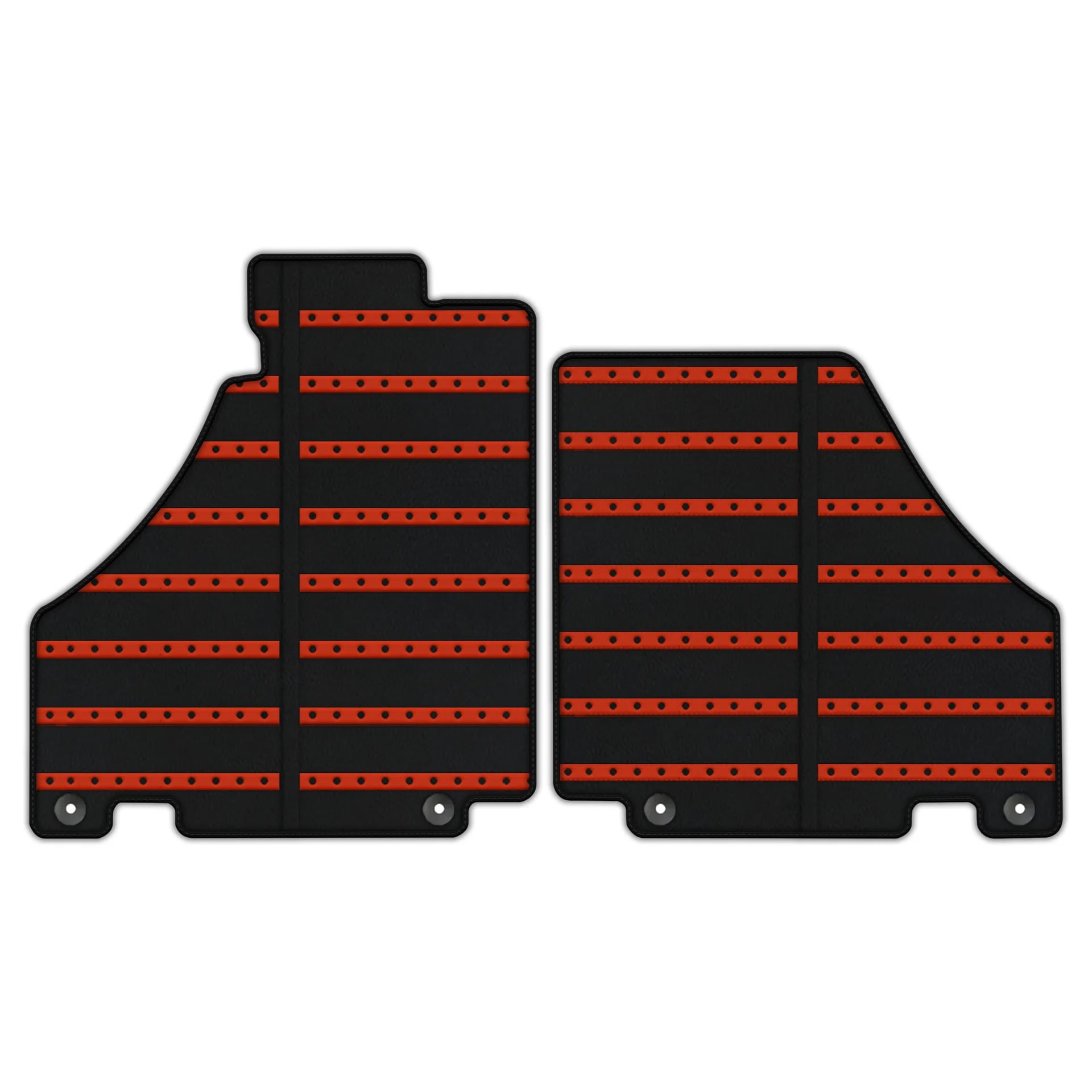
Yes, floor mats are highly recommended for a Ferrari 360. They protect the interior carpeting from wear and tear, dirt, and spills, helping to preserve the car's value and appearance over time. Consider custom-fit mats for optimal protection.
The Ferrari 360 was first produced in 1999 as a replacement for the Ferrari F355. Production continued through 2005, when it was replaced by the Ferrari F430.
The Ferrari 360 can be relatively reliable if properly maintained. Addressing known issues promptly, performing regular servicing, and avoiding neglect are essential for ensuring its longevity. However, maintenance can be expensive.
The Ferrari 360 was exclusively powered by a 3.6-liter naturally aspirated V8 engine. It produced either 400 horsepower in the Modena and Spider, or 425 horsepower in the Challenge Stradale.